Last updated:
Careers in dembow rarely follow a clean arc. Artists surface with one inescapable record, disappear from international playlists for a few years, then resurface when a clip on someone else's phone puts an old track back into circulation. Don Miguelo's story runs along that line, with one significant difference: the record that brought him back into global rotation did so through football rather than radio.
The Dominican artist has been working since the late 2000s, long enough to have watched dembow move from a locally coded street rhythm into one of the most exported sounds in Latin music. "Y Que Fue?" is not a new song in the sense that most of its recent listeners assume. It is a catalogue track that found a second life.
The Dominican foundation
To understand Don Miguelo you have to understand what dembow means in Santo Domingo. It is not simply a subgenre of reggaeton, and treating it that way misses the point. Dembow is a rhythmic framework built on a specific percussive pattern, produced fast, released faster, and judged almost entirely on whether it works in a crowded room.
Don Miguelo built his reputation inside that system. His vocal approach — conversational, rhythmically dense, closer to rapping than singing — is typical of artists who came up needing to cut through a sound system rather than a set of headphones.
How football found the catalogue
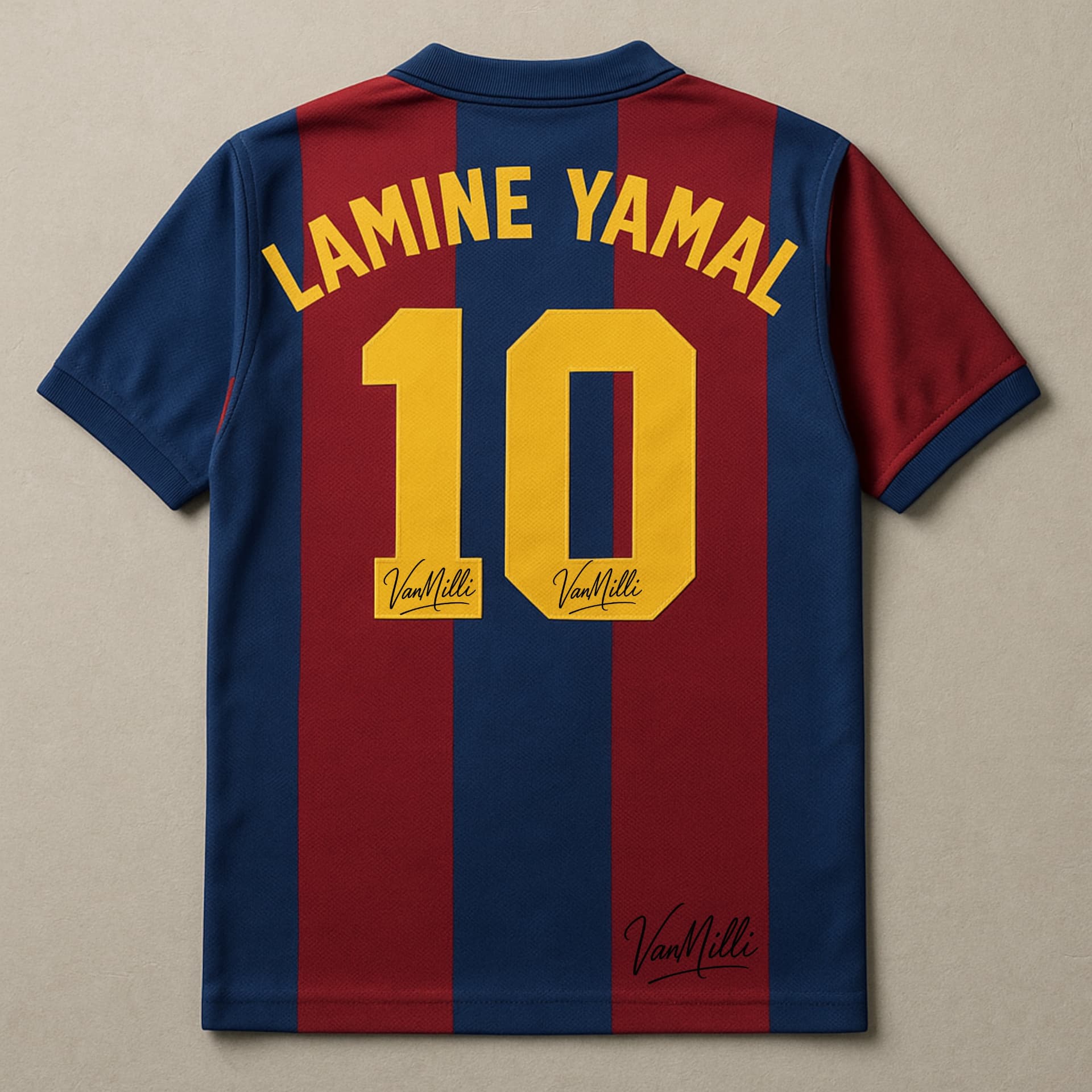
The turning point came in July 2026, when "Y Que Fue?" soundtracked Spain's World Cup celebration in Madrid and Lamine Yamal's dance to it circulated widely on social platforms. That single moment did more for the song's international streaming profile than years of conventional promotion.
What followed is a pattern that repeats across football music culture. A song attaches itself to a visual moment, the visual moment gets clipped, the clip gets reposted, and within days the audio exists independently of both the artist who made it and the event that revived it.
Where to start with his catalogue
If "Y Que Fue?" is your entry point, the rest of the catalogue will feel familiar in structure but broader in mood. Don Miguelo's output moves between straight dembow, merengue-inflected rhythms and slower urban records, and the through-line is his phrasing rather than any single production style.
For listeners arriving from football edits specifically, the useful context is genre rather than discography. The dembow explainer on this site covers why this particular rhythm travels so efficiently through football content, and the Spotify playlist places his work alongside the other tracks fans associate with Yamal.
The wider point about veteran artists
Don Miguelo's revival illustrates something worth noting about how football culture interacts with music. Edits do not privilege new releases. An algorithm-driven feed treats a 2015 record and a 2026 record identically if both work over the same fifteen seconds of footage, which means catalogue artists benefit from football exposure in a way that traditional radio never allowed.
That is the real story here — not that one song went viral, but that a veteran artist's back catalogue became newly accessible to an audience that discovered him through a football celebration rather than a music platform.
Listen to the full playlist