Last updated:
For a large share of football's youngest audience, the sport is not primarily a ninety-minute broadcast. It is a scrolling feed of fifteen-second clips, each one set to music, each one algorithmically selected. That shift has reshaped how players are known, how songs break, and what clubs think their job is.
The edit as the unit of fandom
The football edit — slow-motion dribbles, colour-graded, cut on the beat — is now a genre with its own conventions. Its most important property is that it is musical first. The football footage is the visual; the song is what makes it shareable, and what makes it repeatable by thousands of other creators.
Why songs break here first
Short-form platforms decoupled a song's success from radio and playlist gatekeeping. A track from Santo Domingo or São Paulo can be attached to a viral clip and reach millions of listeners with no label push. Football edits are unusually efficient carriers because the emotional payload is already there.
Players as content, not just athletes
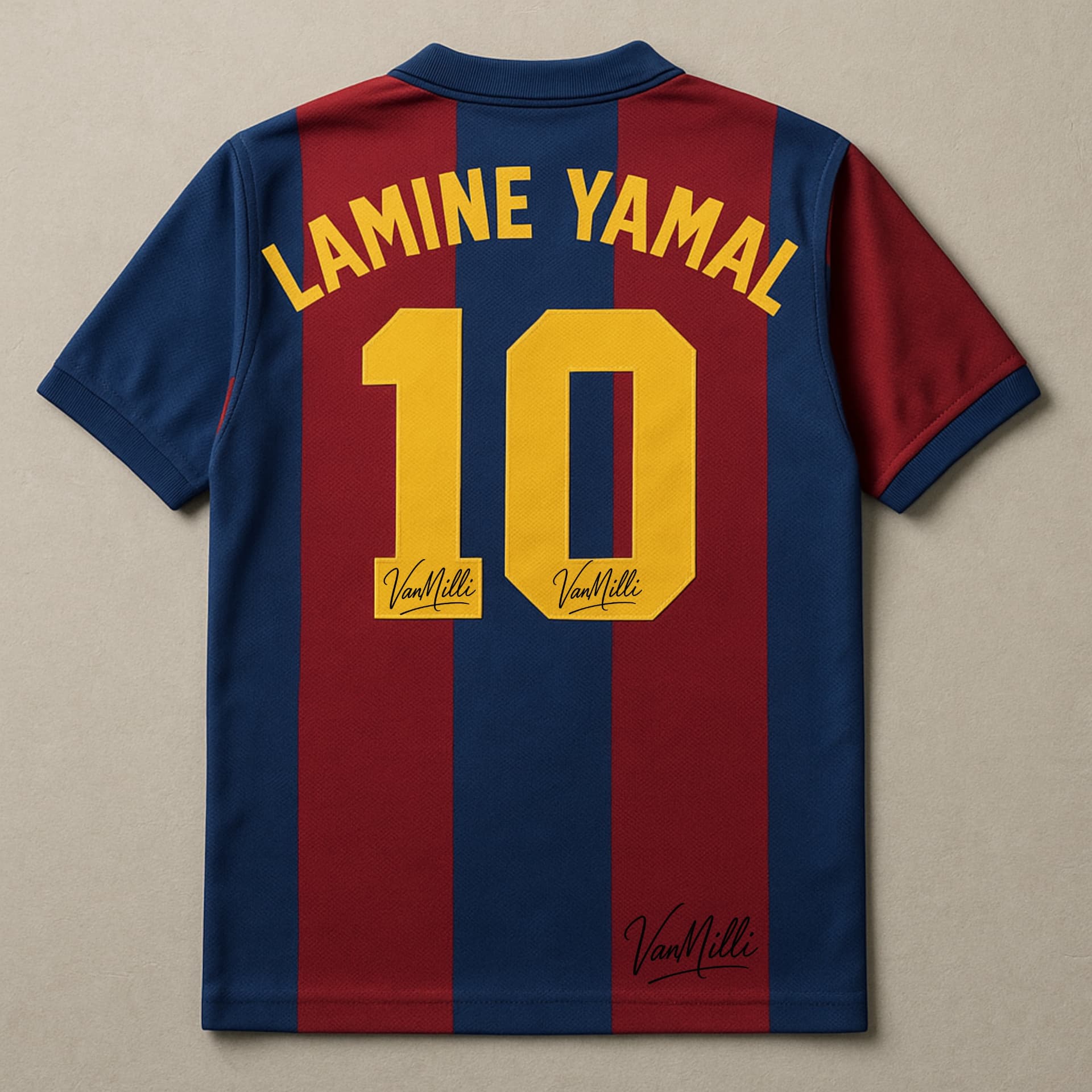
Modern players arrive with an existing digital persona. Dancing, music taste and dressing-room clips are part of how they are known before most fans have watched them play ninety minutes. Lamine Yamal's generation grew up inside this and treats it as normal rather than as a marketing obligation.
What clubs learned
Club media teams moved from horizontal highlight packages to vertical, personality-led output. Arrival footage, warm-up clips and training-ground moments all became content, all of it soundtracked. The music choice is now an editorial decision with reach implications.
The costs
Compression flattens context. A player's entire public image can be built from a handful of decontextualised clips, and misattributed sounds spread as fast as accurate ones. Fan-made edits also routinely use music without clearance, which sits in a grey zone platforms manage through licensing deals rather than fan awareness.
Where it is heading
The feedback loop is tightening: songs are increasingly made with edit-friendly structures — short intros, early hooks, a clean fifteen-second segment. Football, with its permanent supply of emotional footage, is one of the main testing grounds for that shift.
Cultural analysis based on publicly observable platform behaviour and reporting. No claims are made about any individual's private activity.
Listen to the full playlist