Last updated:
Andalusia has exported more music to the rest of Spain than any other region, and modern Spanish urban music is unthinkable without it. That is the cultural water a player like Gavi grew up in.
Flamenco's fingerprints
Flamenco does not appear in Spanish urban music as a costume; it appears in the phrasing, the melisma and the palo-derived rhythmic feel that runs through artists from Rosalía to a long list of Andalusian rappers. Fans hear it instantly even when the beat is a trap beat.
The dressing-room reality
In a squad with Brazilians, Latin Americans and Spaniards, the Andalusian players tend to be the ones who bring flamenco-adjacent urban tracks into a queue otherwise dominated by reggaeton and funk. It widens the palette without breaking the tempo.
Why the pairing works
Compás — flamenco's cyclical rhythmic structure — and reggaeton's dembow pattern are both built on repetition with internal variation. They coexist comfortably in a playlist, which is why Spanish urban artists move between them without friction.
Same generation, same soundtrack
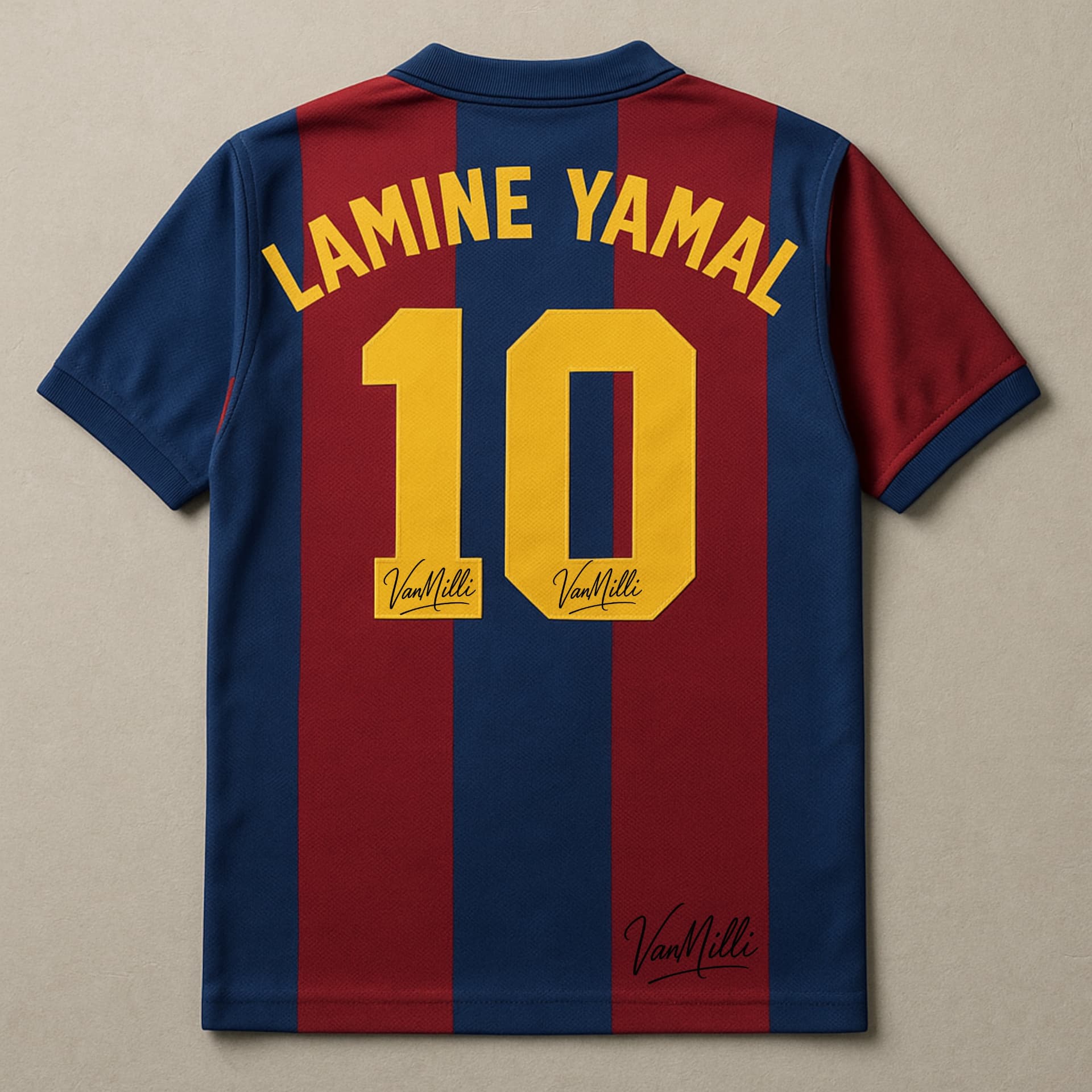
Gavi and Lamine Yamal came through the same club at the same moment, and the music around them draws from the same pool: Spanish-language urban, Latin rhythm, and whatever the internet has just decided to repeat.
This article describes publicly circulating cultural associations. It does not claim endorsement or private information.
Listen to the full playlist