Last updated:
Vinícius Jr did something unusual with a goal celebration: he made it a recurring broadcast slot for a music genre. Each dance sent viewers looking for the step, and the step led back to a funk track.
From favela dance floors to the Bernabéu
Funk's dance vocabulary is specific and local — steps circulate on Brazilian social media long before they reach a stadium. What changed is the transmission speed. A televised celebration in Madrid now closes the gap between a São Paulo dance trend and a global audience in a single weekend.
The controversy accelerated it
The dances attracted criticism, and the criticism became a story about respect, race and cultural expression in Spanish football. Whatever position you take, the effect on the music was one-directional: more attention, more searches, more streams.
Cultural friction is a distribution mechanism. Nothing spreads a song faster than an argument about whether it belongs.
Why funk fits football
Funk is built for short-form. The hook lands immediately, the tempo suits highlight edits, and the percussion carries without lyrics being understood. That is why a Brazilian genre works in a Spanish stadium and on a phone screen in Jakarta.
A template for the next generation
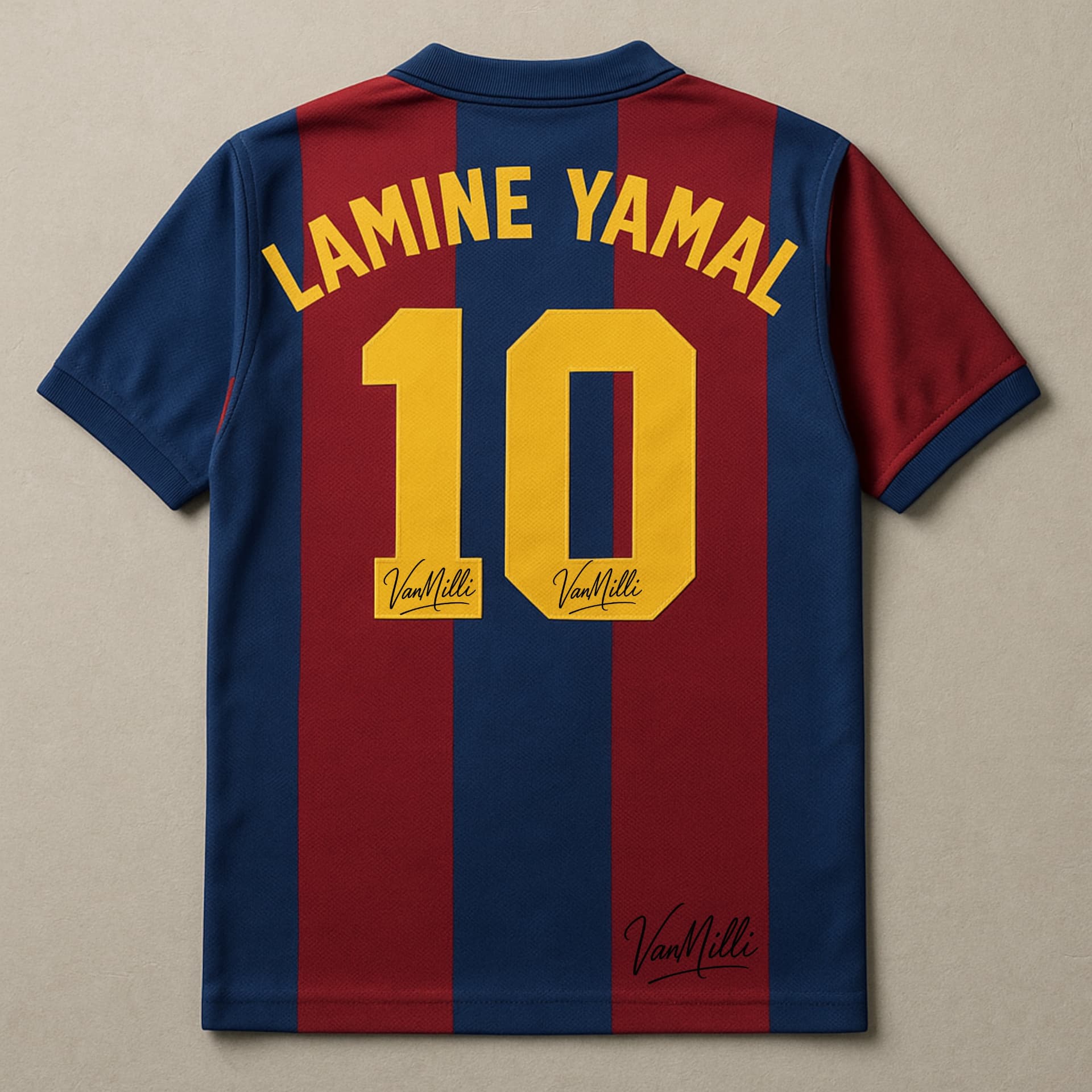
Players across Real Madrid and Barcelona now treat the celebration as a cultural signature rather than a random gesture. The same logic runs through the songs fans attach to Lamine Yamal — the music is part of how a player is read, not an accessory to it.
All associations described here are drawn from publicly circulating clips and fan discussion. No endorsement or private information is implied.
Listen to the full playlist